
The Faceless Threat: How Viral TikTok Masks Are Becoming a Political Liability for Black Men
A viral trend involving hyper-realistic silicone masks is moving from harmless pranks to a dangerous intersection of surveillance, racial profiling, and public safety. As these masks flood TikTok, act
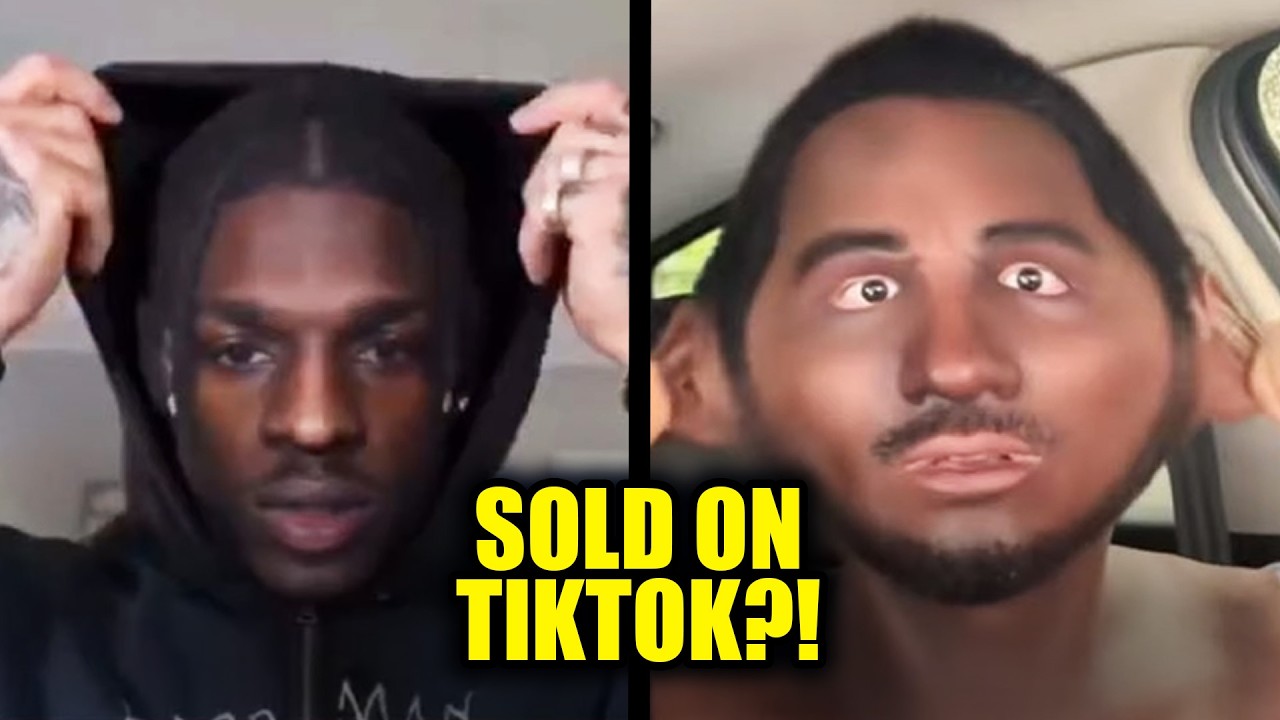
A viral trend involving hyper-realistic silicone masks is moving from harmless pranks to a dangerous intersection of surveillance, racial profiling, and public safety. As these masks flood TikTok, activists and legal experts are sounding the alarm: they are creating a blueprint for systemic framing and "identity theft" that puts Black bodies at the center of a new, high-stakes nightmare. The algorithm giveth, and the algorithm taketh away. For weeks, TikTok feeds have been saturated with videos of creators pulling on hyper-realistic silicone masks—often depicting Black men—to pull elaborate pranks or execute "social experiments." But beneath the viral aesthetic lies a chilling reality that has community leaders and civil rights advocates on edge: in a country where Black men are already hyper-policed and subject to biased facial recognition software, these masks aren't just toys; they are a threat to bodily autonomy and the presumption of innocence. The masks, which are easily accessible on platforms like TikTok Shop and various third-party marketplaces, are sold under the guise of "cinematic quality" prosthetics. Yet, the social media discourse has quickly shifted from praise for the artistry to genuine fear regarding their potential for misuse. In an era of rampant deepfakes and the weaponization of footage, the ability for an actor to "become" another person—specifically by donning the visage of a demographic already targeted by law enforcement—is a dangerous escalation. "We are talking about the potential for absolute chaos," says Marcus Thorne, a digital rights activist based in Atlanta. "When you have a mask that renders a person indistinguishable from a Black man, you aren't just looking at a costume. You're looking at a tool that can be used to frame someone for a crime, harass them in public, or create viral misinformation that ruins a life. The systemic stakes for Black men are already high; these masks provide a shortcut for bad actors to weaponize our likeness against us." The irony is not lost on the culture. Hip-hop has long explored themes of surveillance and the "facelessness" forced upon Black creators—from the masks of MF DOOM to the cautionary tales of police overreach in the lyrics of Public Enemy or Kendrick Lamar. But this isn't artistic expression; it’s a technological loophole. Legal experts point out that the current legislative framework is woefully unprepared for the "impersonation economy." While anti-mask laws exist in several states—many of which were historically used to suppress political protest—they were never designed for an era where the mask is indistinguishable from human skin. If a person commits a robbery, a hate crime, or a public disturbance while wearing a mask designed to look like a specific neighborhood local, the evidentiary burden on the victim is nearly impossible to overcome. Moreover, there is the issue of algorithmic bias. Law enforcement agencies across the U.S. have increasingly relied on facial recognition software that already struggles with accuracy when analyzing Black faces. By introducing high-fidelity masks into the public sphere, these technologies are being fed "poisoned data." If a mask is worn to commit a crime, the software may flag an innocent person whose features match the prosthetic, leading to wrongful arrests or worse. TikTok has faced mounting pressure to address the marketplace proliferation of these items. While the platform has strict policies against impersonation and "deceptive behavior," the sheer volume of retailers bypassing these filters remains a hurdle. For the culture, the message is clear: proceed with caution. As we navigate a digital landscape where our likeness is increasingly treated as public domain, the mask trend is a reminder that in America, the privilege of anonymity is rarely extended to Black bodies. When we see a mask in the feed today, we’re not just seeing a trend—we’re seeing the next frontier of how our identity is being commodified, counterfeited, and criminalized.
Related Articles
Sponsored
Put Your Brand in the Conversation
Reach a politically engaged, culturally aware audience with a premium campaign.
Discuss this ad
(0)No comments yet. Start the conversation.
Community Comments
(0)No comments yet. Start the conversation.