
The Digital Gentrification Trap: How Local Residents Are Standing Tall Against Big Tech’s Data Center Invasion
In a massive victory for community sovereignty, neighborhood activists have stalled a multi-billion dollar data center project, proving that when the people organize, even the wealthiest corporate int
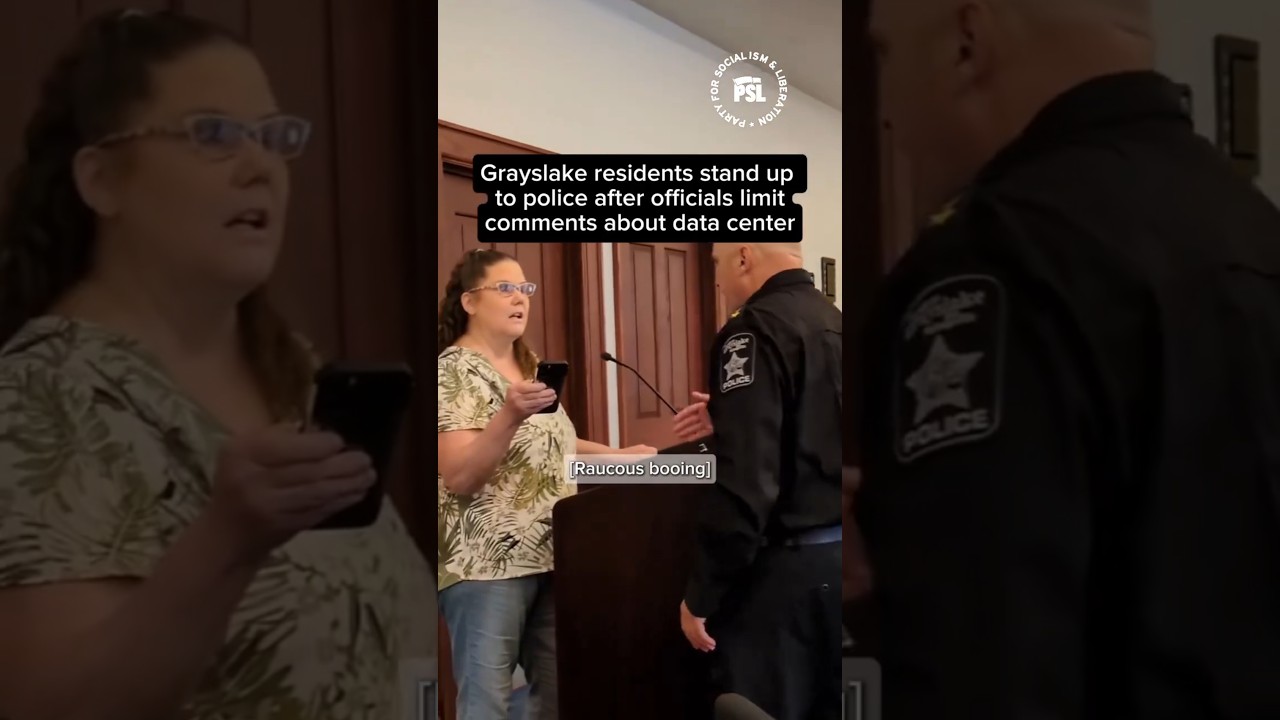
In a massive victory for community sovereignty, neighborhood activists have stalled a multi-billion dollar data center project, proving that when the people organize, even the wealthiest corporate interests have to pump their brakes. BY KAZIMIR ADAMS Hip Hop Politics Staff Writer There’s a new frontline in the war for our neighborhoods, and it isn't being fought on the corner or the basketball court—it’s being fought in the zoning offices and the streets. Last Tuesday, the blueprint for a sprawling, multi-billion dollar data center project—a facility designed to house the digital infrastructure for the global elite—was met with a wall of resistance that shook the local establishment to its core. For months, developers and local political figures tried to sell this massive facility as "progress." They promised jobs, tax revenue, and a seat at the table of the "new digital economy." But the residents of the impacted neighborhood, who have seen their property taxes spike and their local businesses pushed out by previous cycles of gentrification, didn't buy the pitch. They saw the project for what it truly is: a resource-heavy monolith that consumes millions of gallons of water and immense amounts of electricity, all while providing zero tangible benefit to the community that has to live in its shadow. "They want to build a house for robots while we’re still fighting for a house for our people," said Sarah Jenkins, a lead organizer with the local coalition that orchestrated the blockade. The protest, which trended under the #PeoplePower hashtag, saw hundreds of residents—elders, local business owners, and youth activists—forming a human chain around the proposed site. By the time police arrived to clear the perimeter, the crowd had grown so large and the optics so hostile that local authorities were forced to call for a stay on the groundbreaking. This isn't just about noise pollution or unsightly construction. This is about the fundamental power dynamic of modern urban development. Data centers are the "gated communities" of the internet; they are high-security, low-employment fortresses that suck infrastructure dry while providing no value to the local culture. They are the latest iteration of "digital colonialism," where Big Tech moves into working-class areas, extracts the resources they need, and leaves the community footing the bill for the environmental and social costs. What’s happening here mirrors the ethos of Hip Hop—a culture built on taking back the mic and defining your own narrative when the gatekeepers try to lock you out. The residents aren't just saying "no"; they are demanding transparency, asking why these massive facilities aren't being placed in industrial hubs rather than the backyards of families who are already struggling to stay afloat. As the project remains in limbo, the message to the billionaire class is clear: the era of blind corporate expansion is coming to a close. Communities are waking up, getting organized, and realizing that their zip code doesn't make their voice any less powerful. If these corporations want to build in our space, they’re going to have to do more than just drop a check—they’re going to have to respect the people who own the ground they’re standing on. #DataCenters #PeoplePower #Politics #UrbanJustice #KeepTheHoodTheHood
Related Articles

Trump, Obama face off on campaign trail as battle for control of Congress intensifies
a day ago
**The Sky Is Falling, But the Iron Dome Held: Analyzing the Intercepts Over U.S. Bases**
2 months ago
**The Mustangs’ Last Stand: Why Trump’s Return Could Mean the Slaughter of an American Icon**
2 months ago
Sponsored
Put Your Brand in the Conversation
Reach a politically engaged, culturally aware audience with a premium campaign.
Discuss this ad
(0)No comments yet. Start the conversation.
Community Comments
(0)No comments yet. Start the conversation.