
Israel Strikes Back: Can They Defuse Iran’s Missile Threat While Facing Counterattacks?
As Israel ramps up its military operations in the Middle East, airstrikes continue to target Tehran and Beirut, with heavy implications for the region's geopolitical landscape. While Israel attempts t
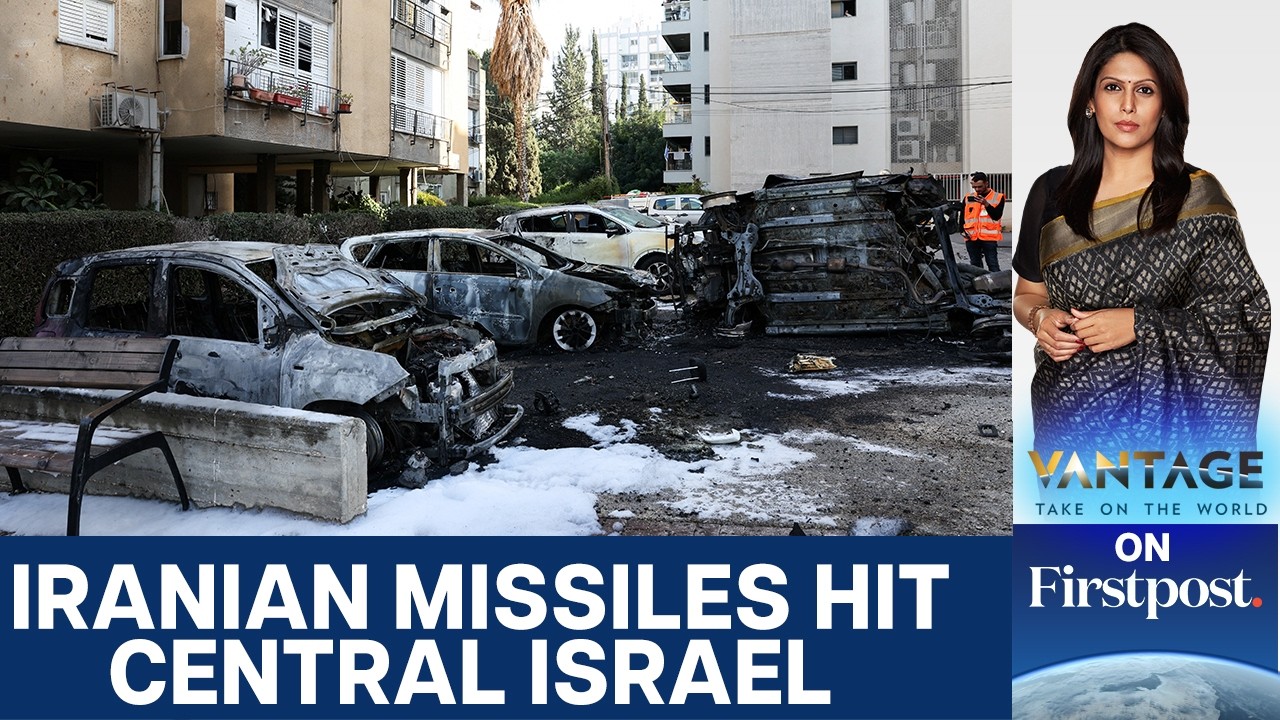
As Israel ramps up its military operations in the Middle East, airstrikes continue to target Tehran and Beirut, with heavy implications for the region's geopolitical landscape. While Israel attempts to establish a buffer zone in Southern Lebanon in response to escalating tensions, Iran retaliates with targeted strikes against energy and military installations in Arab Gulf states, intensifying fears of a wider conflict.
The Current Situation
Amid escalating conflict in the region, Israeli jets are conducting air raids on key military and civilian infrastructures in both Tehran and Beirut. This military action is part of a broader strategy by Israel to ensure its national security amid growing threats from Iranian missile technology and the presence of Hezbollah in Lebanon. As the bombardments persist, local populations endure significant hardships, and international observers raise alarms about the potential for a severe humanitarian crisis. Iran, undeterred by the Israeli bombings, has intensified its responses by launching missile strikes that specifically target energy infrastructure across the Arab Gulf states. This tit-for-tat exchange raises crucial questions for both military analysts and political leaders: Will Israel succeed in neutralizing Iran's missile stockpiles before Tehran's military capabilities can inflict significant damage?
Israel's Military Strategy
Israel’s air campaigns have historically relied on their advanced military technology, including precision-guided munitions, to limit collateral damage while achieving strategic objectives. IDF officials assert that their focus is on crippling Iran's capacity to project force through its missile arsenals. However, an ongoing concern looms over the durability of Israel's air defenses against potential retaliatory strikes from Iran and its allied groups. "The clock is ticking for Israel," says military analyst David Melchior. "If they cannot neutralize these missile threats, they risk a counter-strike that could devastate their energy infrastructure and stain their reputation in the international arena."
Iran’s Resilience
Despite the aerial onslaught, Iran demonstrates resilience and adaptability. The Islamic Republic reportedly possesses a robust missile inventory and innovative offensive capabilities. Analysts suggest that Iran's missile program, combined with its proxy networks across the region, poses a substantial challenge to Israel's objectives. Moreover, the lesson of past conflicts suggests that destroying a nation’s missile stockpile is easier said than done. “We have witnessed various wars, and always, the resilience shown by Iran illuminates the complexities of these military engagements,” asserts Palki Sharma, a seasoned war correspondent. “Israel's bombardments may yield short-term tactical victories, but the strategic battle remains far more precarious.”
International Responses
The international community closely watches these developments, with nations divided along political ideologies and alliances. Some Arab states express concerns about regional instability that could arise from an intensified conflict. Conversely, Israel's steadfast allies, particularly in the West, generally support its military actions as a means of self-defense against a perceived existential threat. This ongoing strife has ignited debates about sovereignty, military ethics, and the implications for civilian lives caught in the crossfire. As both sides continue their military stand-off, civilian populations face dire consequences, raising poignant questions about the future of peace in the Middle East.
Conclusion
As the conflict unfolds, can Israel manage to dismantle Iran's missile capabilities before facing potentially devastating retaliatory strikes? Or will they find themselves drawn deeper into a war, risking both military resources and regional alliances? The coming days are crucial and may determine not only the future of Israeli-Iranian relations but also the stability of the entire Middle East. As both nations prepare for possible escalations, the world watches, waits, and wonders just how much longer this cycle of violence can continue before a fragile peace is achieved.
Related Articles

Trump approval rises from record low to 32% ahead of midterm election, Reuters Ipsos poll finds
a day ago
**The Sky Is Falling, But the Iron Dome Held: Analyzing the Intercepts Over U.S. Bases**
2 months ago
**The Mustangs’ Last Stand: Why Trump’s Return Could Mean the Slaughter of an American Icon**
2 months ago
Sponsored
Put Your Brand in the Conversation
Reach a politically engaged, culturally aware audience with a premium campaign.
Discuss this ad
(0)No comments yet. Start the conversation.
Community Comments
(0)No comments yet. Start the conversation.