
Is This True? A Deep Dive into the Claims Against Iran and Its Culture
In recent years, political discourse surrounding the Islamic regime of Iran has been fraught with heated opinions and sharp rhetoric. The statement outlined presents a stark and sweeping condemnation
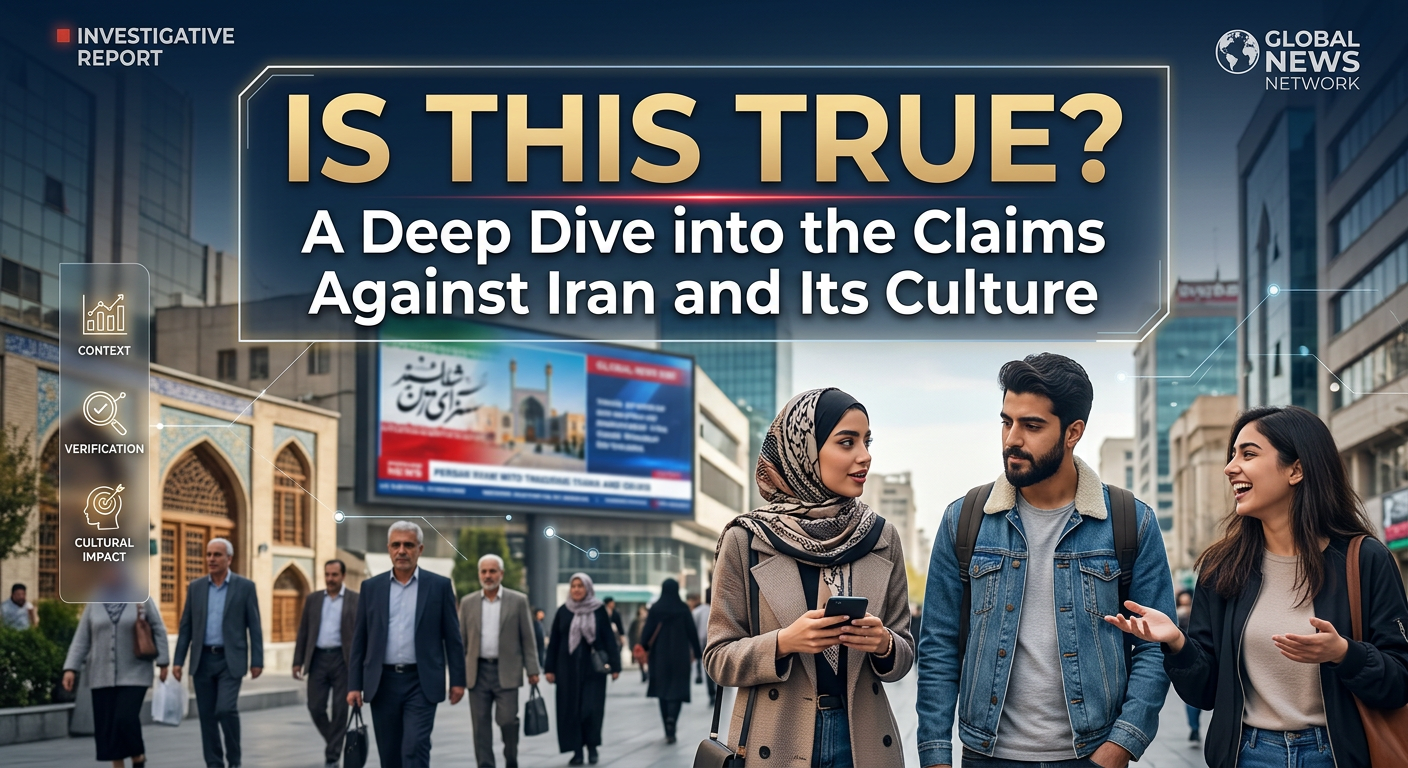
In recent years, political discourse surrounding the Islamic regime of Iran has been fraught with heated opinions and sharp rhetoric. The statement outlined presents a stark and sweeping condemnation of the regime and Islamic culture, claiming that it is responsible for the suffering of millions. But what can we glean from an objective analysis of these assertions? Let's take a closer look.
Understanding the Claims
The assertion that the Islamic regime in Tehran is “pure evil” and responsible for the misery of millions is a sentiment echoed by many who oppose the government. Critics cite human rights abuses, violent crackdowns on protests, and economic mismanagement as contributing factors to the widespread suffering within the country. An estimated 90 million people live under the shadow of governmental control, and in the past 47 years, an untold number of lives have been lost due to political repression, war, and famine. However, labeling an entire religion or its broader cultural identities as “disgusting” is not only disrespectful but can also lead to dangerous generalizations. The term “Muslim” encompasses a rich tapestry of cultures, languages, and histories. It includes individuals from diverse ethnic backgrounds, including Arabs, Persians, Turks, and many others around the world. The assertion that "Muslims are mostly Arabs with a culture of violence" oversimplifies a complex reality and may perpetuate harmful stereotypes that fuel division and conflict.
The Complexity of Identity
Iranian culture, often identified as Persian, is one steeped in thousands of years of history that predates the Islamic Republic. The contributions of Persian poets like Rumi and Hafez, alongside advancements in science and philosophy, highlight a cultural richness that exists independently of the current political regime. It’s crucial to recognize that the Iranian populace is not monolithic; they have varied beliefs, practices, and relationships with both their heritage and religion. Many Iranians resist the government’s narrative and fight for reform, often risking their lives to do so. Their struggles signify a desire for dignity, freedom, and the reclamation of a cultural identity that has been politically suppressed.
Navigating Propaganda and Facts
One can argue the prevalence of state-sponsored propaganda that vilifies dissenting voices within Iran, often distorting facts to serve a political narrative. On the flip side, external narratives may also contain biases shaped by geopolitical interests. For instance, while discussing the Iranian regime's misdeeds, one must be cautious not to generalize the actions of a government to the entire population or culture. It is also essential to ask: Who benefits from this rhetoric? The framing of Iranians or Muslims at large as inherent enemies can serve various political agendas, sometimes overshadowing the genuine struggles for democracy and human rights taking place within these societies.
Conclusion: You Be the Judge
The dialogue surrounding the Iranian regime is complex and layered. It is imperative to approach such discussions with nuance, recognizing both the suffering caused by oppressive regimes and the rich, diverse identities of the peoples involved. Engaging critically with narratives is essential to avoid falling into the traps of oversimplification and prejudice. As these conversations unfold, let us strive for an inclusive understanding that respects cultural identities while remaining vigilant against the atrocities committed by any regime. Are the claims presented facts or propaganda? You be the judge.
Featured Video
Featured Video
Related Articles




Sponsored
Put Your Brand in the Conversation
Reach a politically engaged, culturally aware audience with a premium campaign.
Discuss this ad
(0)No comments yet. Start the conversation.
Community Comments
(0)No comments yet. Start the conversation.