
Iran Courts Traore’s Burkina Faso With Drones, Refinery and Defence Push
In a significant shift in geopolitics, Iran is making strategic inroads into West Africa, specifically focusing on Burkina Faso under the leadership of President Ibrahim Traore. This initiative, aimed
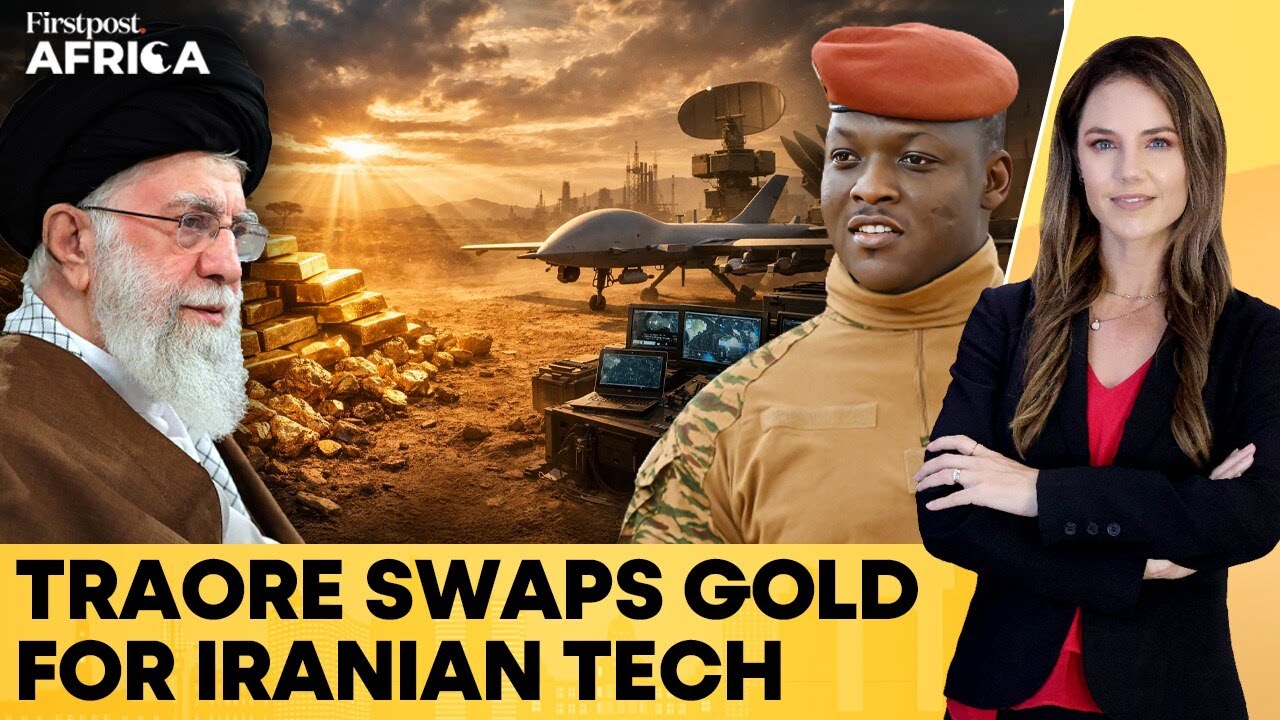
In a significant shift in geopolitics, Iran is making strategic inroads into West Africa, specifically focusing on Burkina Faso under the leadership of President Ibrahim Traore. This initiative, aimed at deepening military and economic ties, is framed within the context of rising tensions and broader power plays in the region.
Iran's Strategic Maneuvers in West Africa
As diplomatic relations between Iran and Burkina Faso are solidifying, Tehran is emphasizing the export of its drone technology alongside plans to establish a refinery and boost defense collaborations. This move reflects Iran's broader strategy to extend its geopolitical influence amidst a backdrop of Western sanctions and increasing isolation. Recently, Iran has turned its gaze towards Africa, seeking partnerships that can provide both economic advantages and potential allies in international forums. For Burkina Faso, which has faced its own set of existential challenges, including security crises and economic instability, this partnership presents an opportunity to acquire advanced military capabilities and infrastructural development that may enhance its sovereignty and self-sufficiency.
The Drone Deal: Enhancing Burkina Faso's Military Capabilities
The centerpiece of Iran's overtures is a deal involving drone technology, a significant element in modern warfare. Sources close to the negotiations indicate that Iran seeks to supply Burkina Faso with reconnaissance and combat drones that could bolster its counter-terrorism efforts against jihadist groups operating in the Sahel region. The acquisition of such technology could not only enhance Burkina Faso’s security posture but also project power within a region marked by instability. Despite the potential benefits, the deal raises eyebrows among international observers. The relationship underscores Iran's ambition to supply military technology to countries often sidelined in global geopolitics, creating a potential new axis of power that challenges traditional Western dominance in the region.
Economic Partnership: The Refinery Initiative
Beyond military collaboration, Iran's proposal to set up a refinery in Burkina Faso aligns with the country's urgent need for fuel security. Currently, Burkina Faso relies heavily on imports for its petroleum needs, making it vulnerable to external shocks. An Iranian-built refinery could help the country achieve greater energy independence, decrease costs, and foster local job creation. This refinery project is particularly appealing in light of Burkina Faso’s economic struggles. President Traore's administration is under pressure to deliver results that alleviate poverty and stimulate growth, making Iranian partnership a potentially double-edged sword—offering immediate gains while entrenching Burkina Faso in a reliance on a controversial partner.
Regional Implications: A Shift in Alliances
The burgeoning relationship between Iran and Burkina Faso poses myriad implications for the geopolitical landscape. Iran's ambitions in the Sahel may be viewed through the lens of broader competition with the United States and its allies, as they seek to maintain influence in Africa. As global powers increasingly vie for sovereignty over resources and military alliances, Burkina Faso may find itself at the center of a new geopolitical chessboard. Moreover, this partnership could also inspire similar overtures from other nations looking to fortify ties with Iran, potentially diluting Western influence in Africa and reshaping traditional alliances. The impact of this deal could extend beyond Burkina Faso's borders, signaling a shift in allegiances among nations facing the scourge of terrorism and economic woes.
Conclusion: Navigating New Waters
As Burkina Faso charts its path under President Traore, the Iranian overtures represent both a gamble and an opportunity. The unfolding partnership reveals a complex interplay of geopolitics, national security, and economic necessity. As nations continue to navigate the turbulent waters of international relations, the implications of Iran's courting of Burkina Faso serve as a crucial reminder of the importance of strategic alliances in an ever-evolving global landscape. With eyes on the future, Burkina Faso stands at a crossroads, and the choices it makes now will resonate far beyond its borders. The implications will not only shape the nation’s destiny but could also redefine the balance of power in West Africa for years to come.
Related Articles



Sponsored
Put Your Brand in the Conversation
Reach a politically engaged, culturally aware audience with a premium campaign.
Discuss this ad
(0)No comments yet. Start the conversation.
Community Comments
(0)No comments yet. Start the conversation.